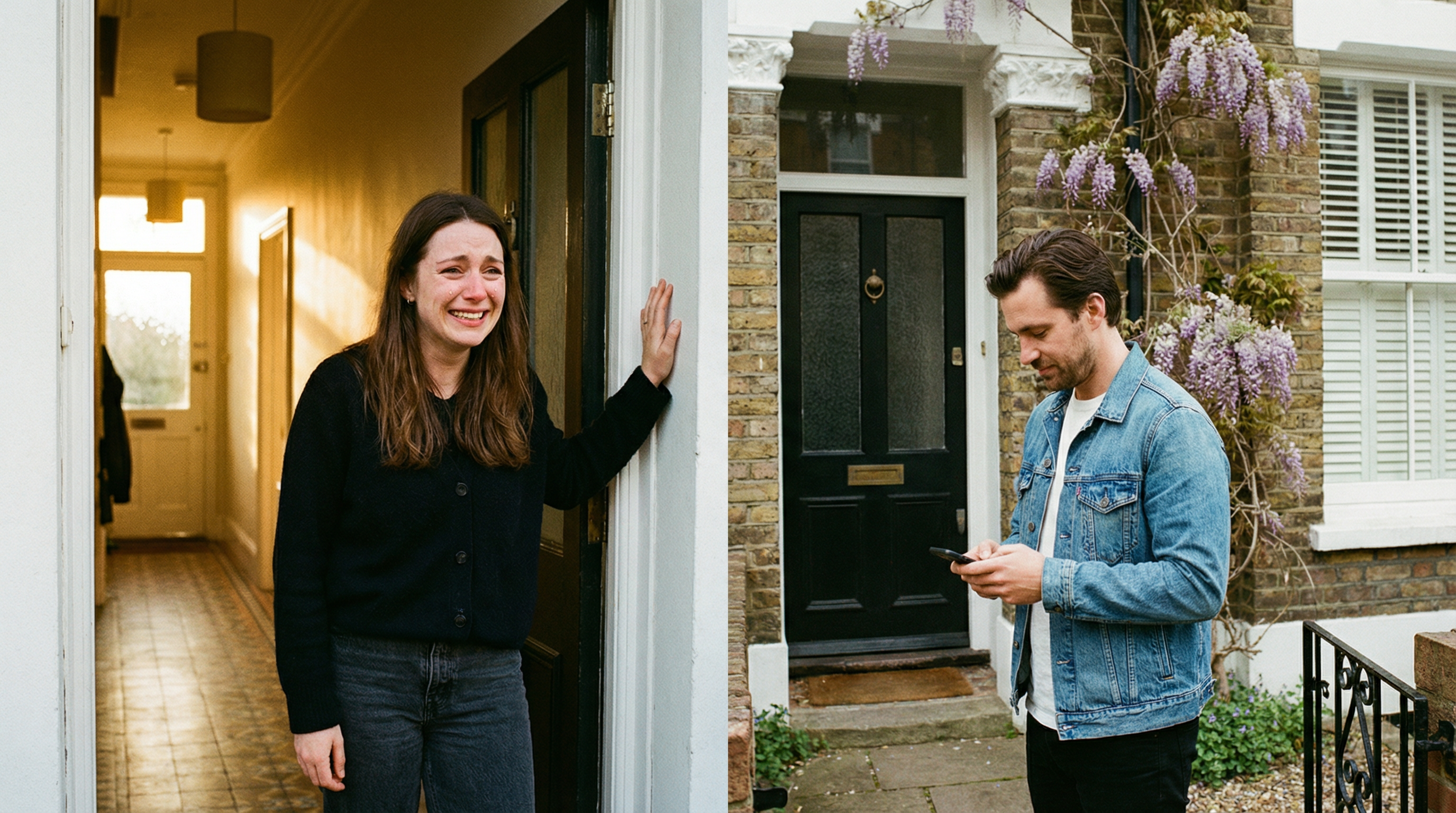
You can often see it unfolding during the viewing itself.
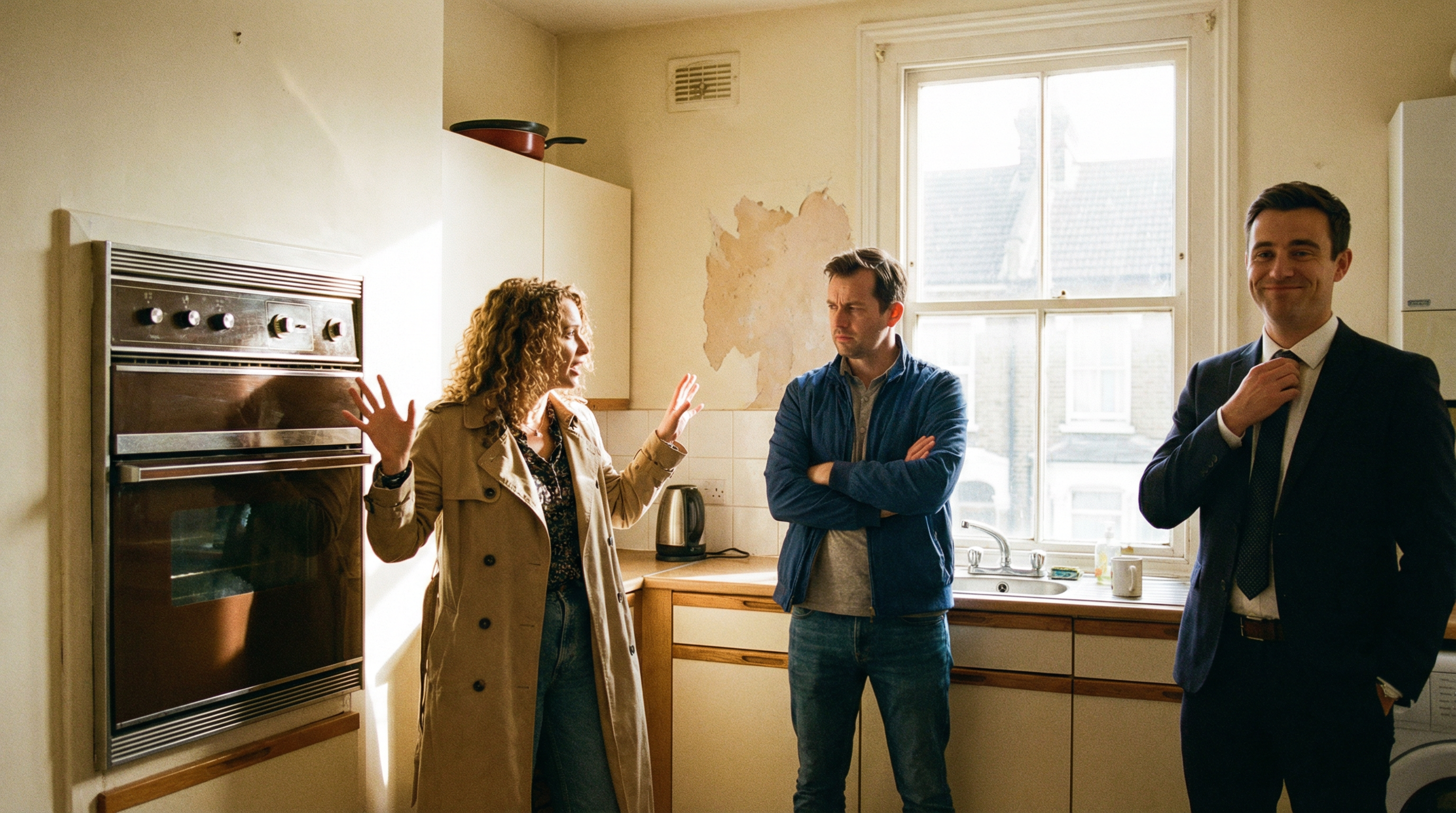
One half of the couple is nodding, asking about storage, mentally placing furniture in the living room. The other is standing near the door with their arms folded, looking like they'd rather be somewhere else.
This is one of the most common — and most frustrating — ways property sales fall apart: a couple who haven't aligned on what they actually want, trying to resolve that disagreement by looking at houses.
What makes it particularly costly for sellers is that these buyers often progress quite far. Offer accepted. Survey instructed. Months pass. And then they withdraw because "circumstances have changed." The circumstances haven't changed. They've simply had the conversation they should have had before they started viewing.
The Classic Patterns
The Enthusiast and the Sceptic: one person loves the property, the other finds problems with everything. Wrong area, too small, odd layout, concerns about the neighbours, worried about the boiler. What's actually happening? The sceptic doesn't want to move. Or has doubts about the relationship. The property isn't the problem — it's just where the tension is expressing itself.
The Settler and the Dreamer: one person is ready to make a decision, prepared to compromise and move forward. The other wants four bedrooms in SE21 for £600,000 with a garden, parking, original features, and a five-minute walk to the station — all for considerably less than the market will provide. They haven't resolved what's actually possible, so no property ever quite fits.
The Different-Priorities Couple: one person is focused on school catchments, the other isn't sure they want children. One wants a project, the other wants move-in ready. These aren't minor differences of preference — they're fundamental disagreements about lifestyle and future that haven't been discussed. Viewing properties together is, for them, a way of deferring that conversation.
Red Flags During Viewings
Experienced agents can usually identify these dynamics quickly:
One person dominates the conversation while their partner stays quiet. That's not a personality difference — it's one person driving a decision the other hasn't bought into.
The couple physically separates during the viewing, moving through rooms independently, never discussing what they're seeing together. Avoidance behaviour.
One person asks all the practical questions — service charges, council tax, tenure. The other says "it's nice" and nothing else. One is ready. The other is hoping this doesn't happen.
When asked simple questions — "how soon are you looking to move?" or "what's your budget?" — they give different answers. They haven't had the foundational conversations.
How Decision Paralysis Kills Deals
"It's great, but should we keep looking?" becomes "let's see a few more just to be sure" becomes "actually, I saw something else online" becomes months of viewings with no decision — because neither person wants to be the one who chose the wrong property if things don't work out.
These buyers often make offers. They sometimes get quite far into the process. Then, usually shortly before exchange, the underlying tension surfaces and the whole thing collapses. "We've decided to keep renting for now." Translation: we couldn't agree, so we're shelving it until one of us gives in or the relationship resolves itself one way or another.
What Sellers Can Learn
Ask your agent directly after viewings: were both parties equally engaged? Did they both ask questions? Did they seem aligned on what they're looking for, or was one person clearly leading while the other went along for the ride?
The most reliable buyers are often the least dramatic ones. The couple who arrive prepared, ask considered questions, and make decisions without theatre. They may not be the most visibly enthusiastic viewers — but they're the ones who complete.
If you're considering accepting an offer from a couple where one person seems markedly less committed, factor that into your assessment. The risk of falling out is real — and the cost of a failed sale, in time and in chain disruption, can be significant.
The Uncomfortable Reality
Property purchases force couples to confront questions they may not have fully addressed — about their relationship, their priorities, their future together. Many aren't ready for those conversations. So they view properties instead, hoping that finding the right house will somehow resolve disagreements that have nothing to do with property.
As a seller, you can't resolve their relationship. But you can recognise the warning signs and make informed decisions about which offers to accept and which chains are genuinely stable.