
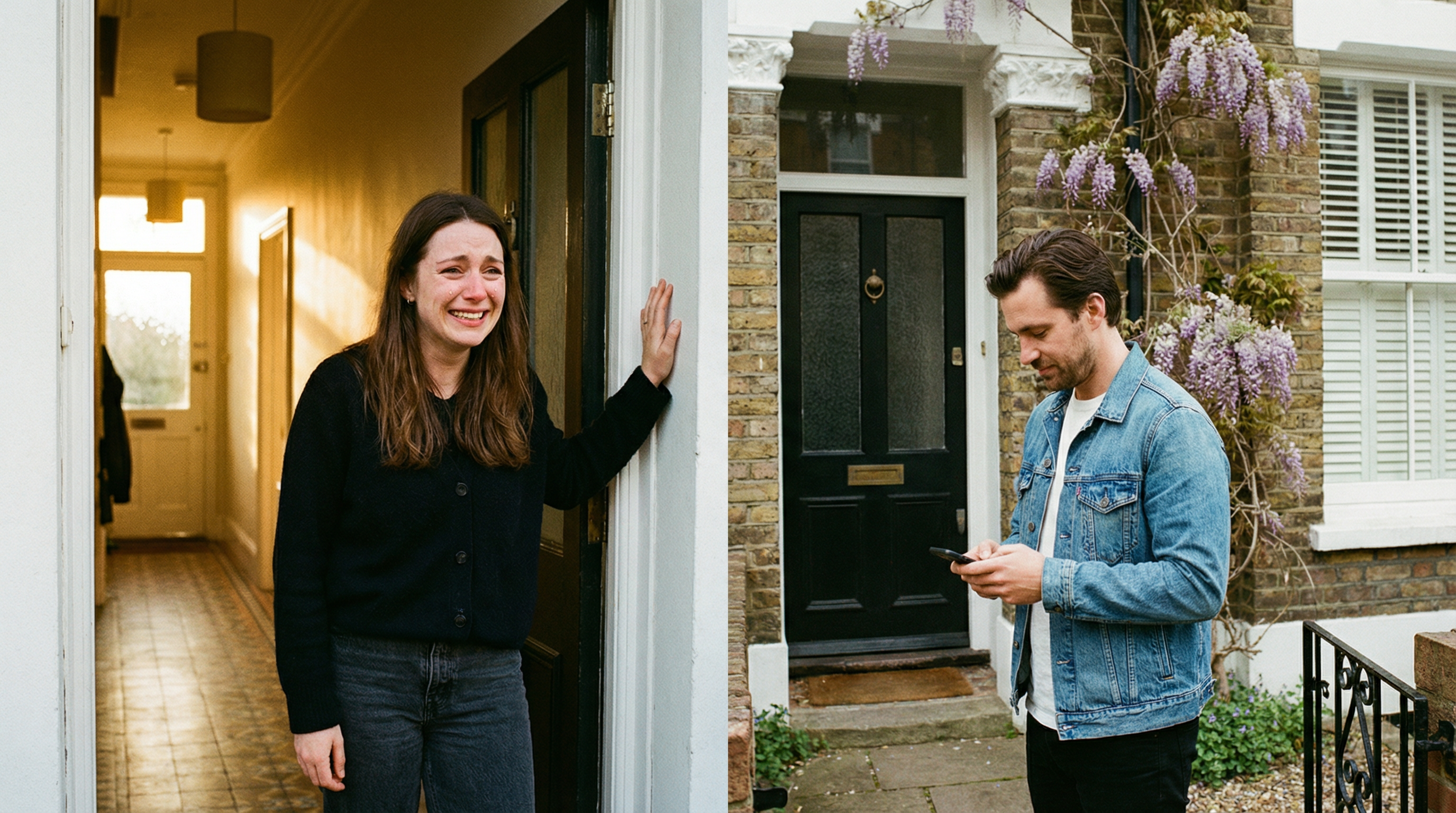
The idea of house love at first sight has a certain appeal. Walking through the door and just knowing. The instant connection. The immediate certainty.
Estate agents tend to love these buyers. They make quick offers, often at or near asking price, and they arrive emotionally committed from day one. Easy commission, smooth deal, everyone happy.
Except the uncomfortable truth is this: emotional buyers are frequently the riskiest buyers — the ones most likely to withdraw partway through, their early enthusiasm having obscured the practical thinking they hadn't yet done.
Meanwhile, the analytical buyers — the ones who take their time, ask detailed questions about service charges and building reports, and seem wholly unemotional about the whole process — are considerably less exciting to deal with. But they complete.
The Problem With Emotional Buyers
Emotion is entirely appropriate when buying a home. You're choosing where to live, potentially raise children, spend years of your life. Feeling something matters.
But when emotion is the whole equation, problems follow.
The buyer who falls in love at the first viewing hasn't done the necessary groundwork. They haven't compared your property against five others at the same price point. They haven't considered whether the noise from the nearby road will become intolerable after six months. They haven't tested whether they can genuinely sustain the mortgage if rates shift.
They decided they loved it, made an offer on instinct, and are now going to spend the next eight weeks discovering everything they should have considered beforehand.
Survey comes back with findings they weren't expecting? They panic — because they never properly assessed what level of risk they could absorb. Their solicitor raises questions about the lease? Anxiety sets in — because they hadn't looked at the lease; they'd been imagining the furniture arrangement. Friends and family ask sensible questions they should have asked themselves? Suddenly they're having second thoughts.
Emotional certainty is fragile once confronted with practical reality.
The Slow-Burn Buyers
Then there's the other type. The ones who view and say "interesting — we'll think about it." Who come back for a second visit with a list of questions. Who request documents before making an offer. Who negotiate on the basis of comparables rather than feeling.
They can be frustrating during the offer stage. They won't pay asking price because they loved the original features. They'll question everything, move slowly, and offer less than you'd hoped based on careful analysis rather than enthusiasm.
But when they commit, they stick. Because they've already done the work. They've thought through the issues. They've tested whether they can afford it if circumstances shift. They've compared your property to everything else available and concluded — logically — that it's the right choice.
The survey doesn't shake them because they'd already priced in the possibility of findings. The solicitor's questions don't alarm them because they'd already asked most of them. They don't get cold feet because they never had hot feet — they had a clear-eyed assessment and a considered decision.
Why Instant Offers Aren't Always Good News
"We've got someone who viewed yesterday and wants to offer asking price today." That sounds excellent. And sometimes it is.
But sometimes you have someone who's going to fall out of love just as quickly as they fell in. Who'll spend the next two months finding reasons to renegotiate or withdraw. Who'll consume months of your time — and potentially damage your chain — before the whole thing collapses.
The buyer who takes two weeks to make an offer after two viewings and detailed questions may offer slightly less. But they are substantially more likely to reach completion without drama.
The Other Extreme
There's a counterpoint worth acknowledging. The purely analytical buyer can overthink themselves into paralysis.
The ones who view twenty properties, build spreadsheets, find a reason every time why this one doesn't quite meet the criteria, and never actually decide. These aren't slow-burn buyers — they're not ready to buy at all, and they're using analysis as a form of procrastination in the same way that emotional buyers use enthusiasm to avoid practical thinking.
The good analytical buyers know when a property is right, even if it isn't perfect. They understand that every property involves compromise, and they've assessed rationally which compromises they can live with. They move — just deliberately.
What This Means for Sellers
If you receive an immediate offer at asking price from someone who viewed once and loved everything, that's not a reason to be suspicious — but it is a reason to ask questions. How many other properties have they seen? How quickly can they proceed? What's their chain position?
If someone is taking their time, asking careful questions, and returning for a second viewing — don't dismiss them. They may offer slightly less, but they're almost certainly more likely to complete cleanly.
The ideal buyer combines elements of both: they like your property for clear, articulable reasons; they've done meaningful research; they can make a decision without endless deferral; and they're not acting on impulse.
A good agent will be able to read the difference between genuine commitment and emotional infatuation. Between considered deliberation and paralysis. Between a buyer who's ready and one who's simply excited.
The buyer who says "I've viewed eight properties, yours represents the best value for my requirements, here's my offer with comparables to support it" — that's the one who's actually going to complete.
The boring buyers are better. Almost every time.